
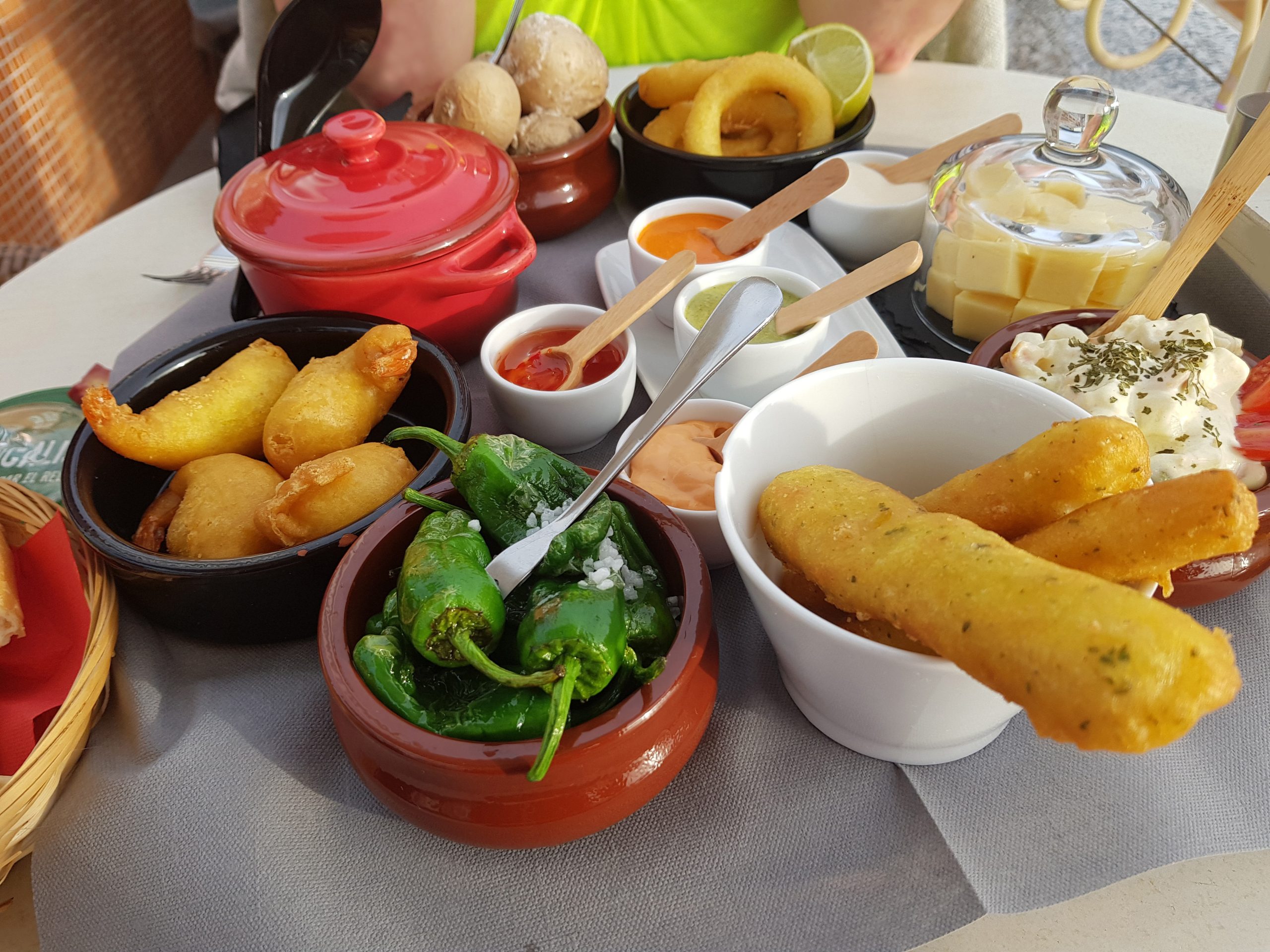
The holidays often center around hours in the kitchen creating large meals and special desserts with family and friends. In many cultures, food plays an important role in holiday traditions and celebrations. Yet, it is also quite common for negative or anxious thoughts about eating to surface—especially during this food-focused time of year.
This blog explores tips for helping your family develop and maintain a healthy relationship with food so everyone can enjoy the holidays with balance and fun.
Plan and Prepare Meals as a Family
Planning and preparing meals as a family can help make mealtime an event that everyone looks forward to. Kids are also more likely to eat mindfully and try new foods if they are involved in the creating process.
Here are some ways to involve your kids in the preparation process:
● Bring them to the grocery store to shop for ingredients
● Ask them for input on what food they want to eat
● Let them stir, measure, decorate, or help with other simple tasks
● Involve them in setting the table
These ideas not only apply to the holidays. Regular family meals throughout the year lead to better nutrition, healthier behaviors, and a foundation for kids to carry with them as they grow older. While it is common for families to eat meals in front of the TV or with devices, sharing meals (free from screens) creates more enjoyable memories. The patterns developed in childhood can often shape one’s relationship with eating as an adult.
Avoid Labeling Foods As Good or Bad
With the increased sweets and rich food around the holidays, it is a great time to practice and promote a balanced approach to eating. Labeling foods as “good” and “bad” can lead to feelings of guilt when eating food that you enjoy. This way of looking at food can turn into categorizing yourself as “good” or “bad” depending on what you eat.
A more positive and balanced approach is remembering that all foods can fit. This means including all foods that you want to eat into your diet in a balanced way. You can eat vegetables and proteins while also enjoying sweets and fried foods. The body does not assign morality to food, it simply uses nutrients for energy and functioning. The body does not know the difference between the glucose from an apple and the glucose from a chocolate bar. While an apple might offer nutritional elements that a chocolate bar doesn’t, a chocolate bar might provide comfort and satisfaction that an apple can’t. If the chocolate bar brings joy and relaxation, while the apple brings stress and rigidity, eating the chocolate bar might be the healthier option at that moment.
If we look at health holistically, food influences not only physical health but also mental, emotional, relational, and financial well being.
Tune In To The Body
Your body is constantly communicating with you, whether you are aware of it or not. A common holiday mindset is to encourage yourself and your family to “finish everything on the plate”. This can lead to overeating, discomfort, and guilt.
Instead of having the goal of finishing your plate, tune in to your body’s cues for hunger and fullness:
● Pause mid-meal to check-in with your body and assess your level of fullness
● Allow yourself to stop eating when comfortably full
● Encourage your kids to notice when they feel satisfied
Mindful eating involves engaging your senses while you eat. Pay attention to the smells, textures, colors, and taste of your food. This can calm your nervous system, leading to reduced stress at mealtimes. It can also promote a more attuned relationship with your body.
Find Time For Enjoyable Movement
It is important to emphasize that you do not need to “earn” your holiday meals, or any meals, through exercise. Food is a basic necessity, not a reward, and maintaining a mindset that food needs to be earned can encourage an unhealthy relationship with eating.
It can be nice and also important to rest during the holidays. At the same time, incorporating some enjoyable movement can provide benefits beyond physical well-being. Movement will boost your mood and energy levels allowing you to enjoy the holidays to the fullest.
This can include:
● A game of flag football
● Dancing around the living room
● A festive 5k
● A walk around the neighborhood
Modeling healthy, balanced habits can have a positive effect on children. Kids learn a lot from watching, and when you practice healthy behaviors, they are likely to follow.
Concluding Thoughts
The holidays can be both joyful and stressful. With many gatherings centering around food, it is normal to experience anxious thoughts about eating during this time. Shifting your mindset and practicing healthy behaviors can help you and your family enjoy your holidays with more ease.
If you find you might need extra support during this time, it is okay to reach out for help. A therapy session for you, your child, or your family can offer tools and guidance to navigate the holidays with less stress and more confidence.
Written By,
Maria Mattox, LPC
www.cuttingedge-therapy.com